Sam Schmitz
  • home
  • PROJECTS
  • About
  • Contact

Design U: Developing a design process from s̶c̶r̶a̶t̶c̶h̶ a rock-solid base

12/14/2015

4 Comments

 
Picture

​How we got a student group from 0-60 in just a few months, and where we plan to steer it. | Nov. 2015
     In March of last year I was approached by a few classmates asking about starting a student group. I was already the President of another and had no time to offer them, but after their initial pitch I was so excited about the idea that I vowed to make time to make this happen. The idea was simple: to bring students real-world product design experience by connecting them with real-world projects. The group would function like a design firm, with teams of students completing the work and learning about the design process along the way.

Spyhouse
 
We spent most of the summer in coffee shops, plotting and planning after work to make sure we had some traction when we hit the ground in September. We spent hours and hours researching and in meetings, trying to gather as much information as possible to not screw it up. Though we would be the only product design group to our current knowledge, the list of registered groups showed at least ten defunct ones still listed. We felt like Indiana Jones seeing the remains of the failed treasure hunters before him, but like Mr. Jones we kept on going.

The Rolling Boulder

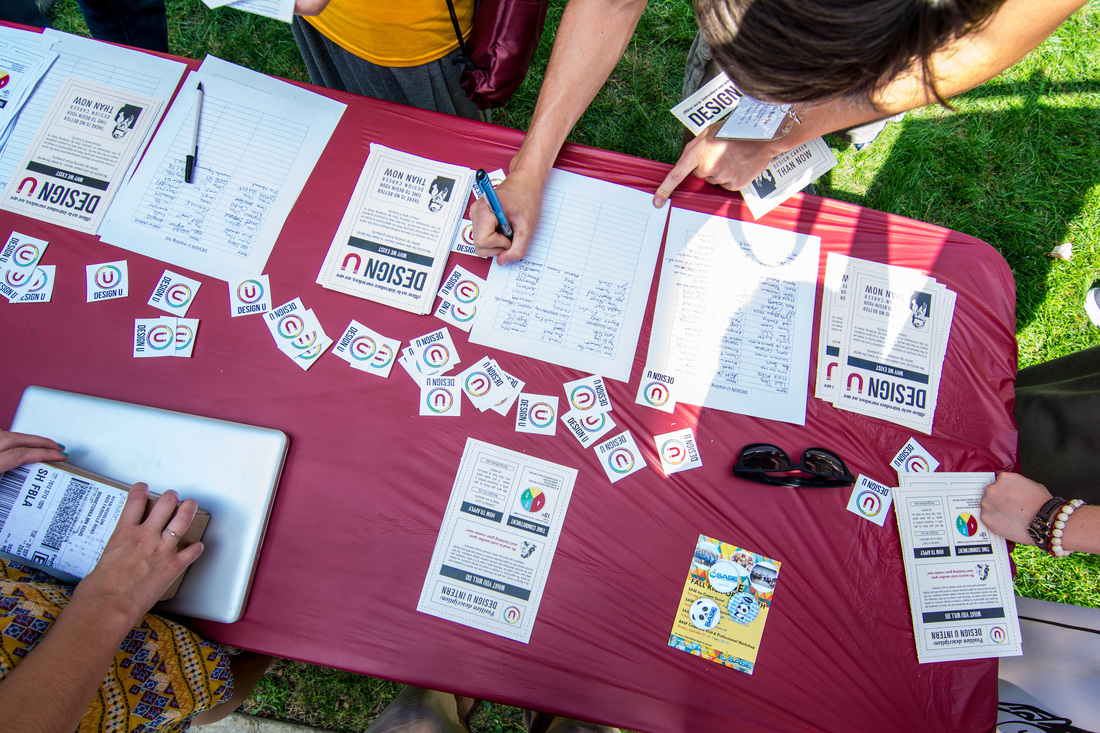
We hit recruiting pretty hard during the first week of the semester, hoping to get at least 20-25 at our first meeting so we could begin to do a few projects. Apparently we had tripped some kind of switch by starting this group, activating a niche within the community that needed to be filled, because sixty two people showed up for our first meeting. The list of applications we had hoped would get into the 30s by the end of the semester had passed 80 by the beginning of November. 
Picture
 Design U

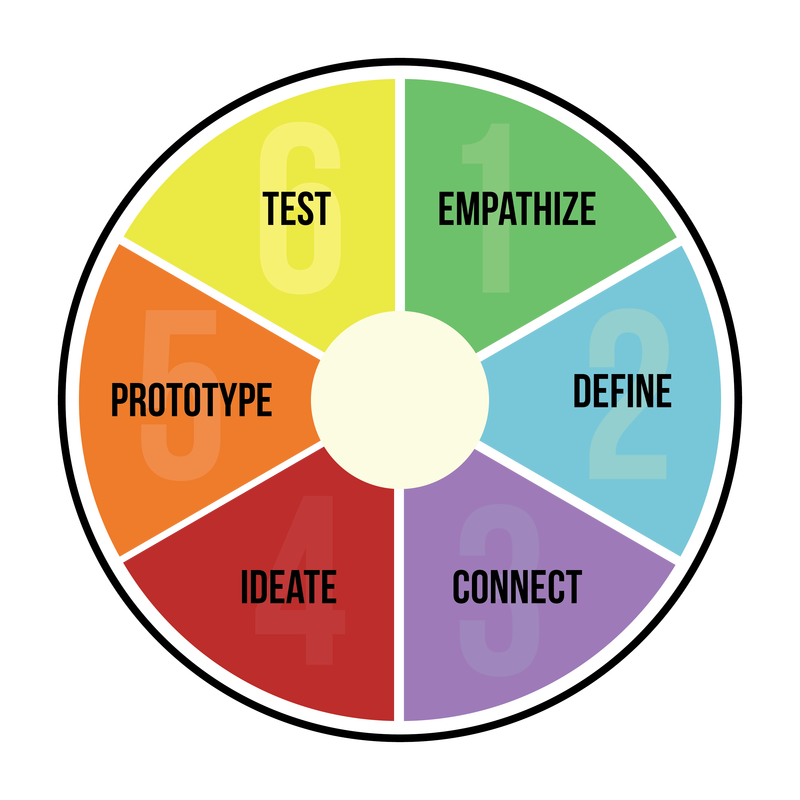
The most difficult and crucial aspect of starting this group was coming up with a systematic way to tackle projects efficiently and effectively, while also ultimately focusing on being a learning group. In the college of Design at the University of Minnesota there is an excellent product design minor run by Professor Barry Kudrowitz, which is currently being turned into a major. Professor K's teachings revolve around a five step human-centered design process, similar to that of IDEO's and Stanford's d. school. We wanted to emulate this as much as possible to serve as a supplement to students in the college, but our unique formation put us in an interesting position. We weren't a group of experienced designers, we were a group of semi-experienced design students leading other students without much exposure to the process at all. We needed a way to product quality and consistent work while making the process as educational as possible. 
Picture
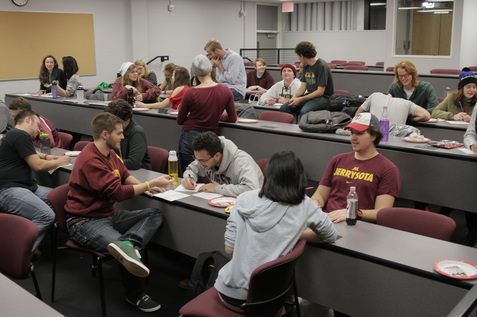
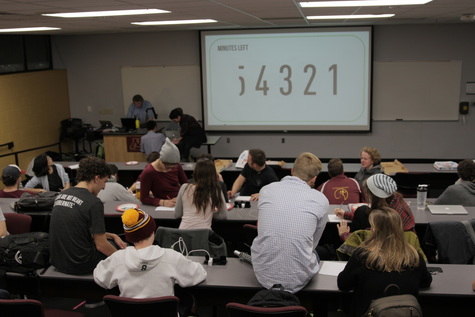
The model we developed has so far has been very successful: Lead designers (upperclassmen with plenty of experience and good leadership skills) lead teams of 10-20 Designers (anyone interested) through the design process with the oversight of the executive team (us). This is supplemented by our general body meetings every other week, where we have games, activities, and speakers all designed to familiarize students with the design process and to make the group fun and engaging. 

The idea behind the system is that anyone can contribute and learn without necessarily affecting the project outcome, however the opportunity to contribute to the final product is always there. As students develop and grow within the group and within their actual courses, they are able to contribute more and more and have a larger impact on the final outcome. 

The Color Wheel

Shown below is our design process developed by our president Ryan Hedblom and I. It is identical to the standard model with the addition of the "Connect" step of the process. The idea behind this step is that unlike many real firms and designers, our students most likely do not have all the tools, resources, or expertise needed to complete the project. It involves reaching out to other students, student groups, faculty, or any other appropriate resources for anything needed to complete the tasks at hand. Unlike a for-profit firm, our group is a non-profit (501.3c) intended primarily for learning so this step also involves making sure all of the students within the project are connected and getting the full experience. ​

​

​
Picture
Picture
Picture
We are still developing this process and learning more every day about what it takes to run the group. We've got some big plans for next semester so keep checking our website for updates.
So what are we working on?
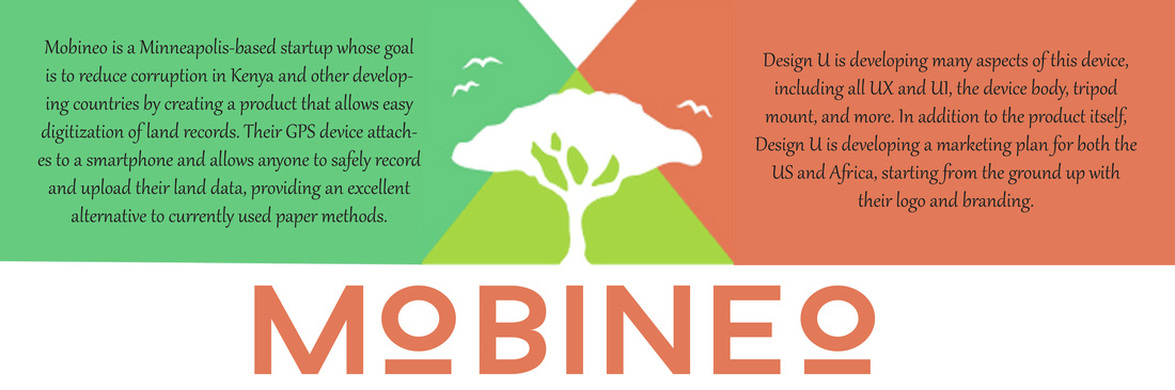
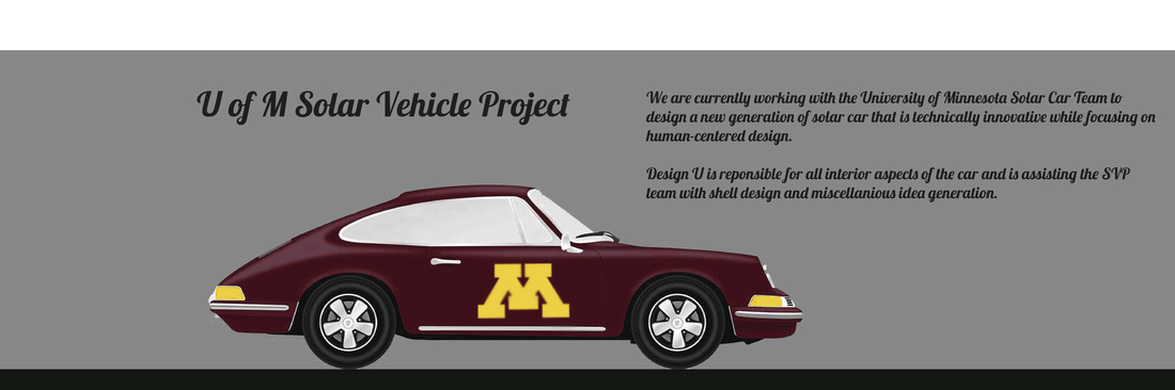
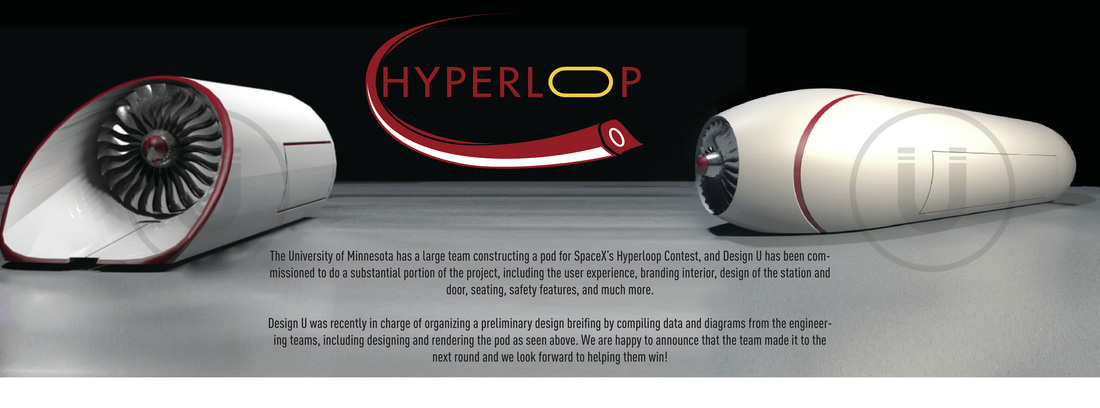
Here are some graphics I made for our website that talk about some of the projects we're working on. We've since added two more (LPRD Liquid-Propelled rocket and Backyard Journey, a startup for getting kids outdoors) but these are the main four we started with.

Check out the hyperloop site that I made (with the help of the Design U team of course). I was also elected by the Hyperloop team to head down to Texas A&M for the hyperloop Design Weekend in January, where I will be presenting with a team of five and answering questions for judges in order to be considered for the next round. I'll probably add something about that later.

Disclaimer: The Hyperloop logo was a collaborative effort by the hyperloop team, and the Mobineo tree was an old iteration from their archives. The Medical logo was also just pulled from google. The rest was done by me.
Picture

Picture

Picture

Picture
4 Comments

    Archives

    December 2016
    October 2016
    December 2015
    October 2015

home

projects

about

contact

Copyright © 2020 Sam Schmitz. All Rights Reserved. Don't steal my shit.
  • home
  • PROJECTS
  • About
  • Contact